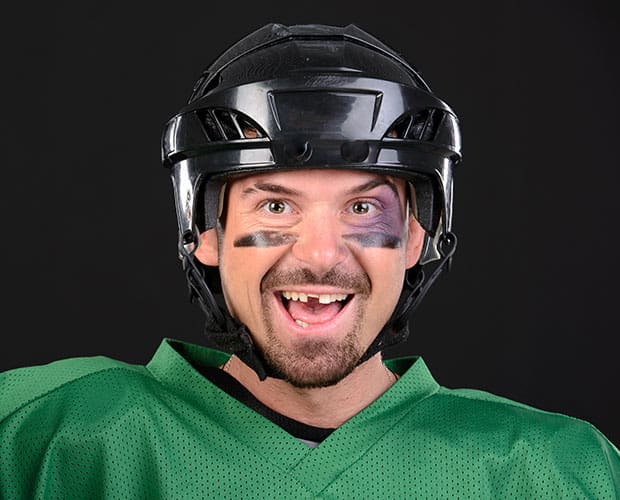
Welcome to Doncaster Dental, where your smile is our priority. Nestled in the heart of Doncaster, Victoria, we understand that a broken tooth can be more than just a cosmetic issue—it can affect your overall health and well-being. That’s why we offer comprehensive treatment options tailored to restore your smile and alleviate any discomfort.
At Doncaster Dental, we believe in a patient-centred approach. Our experienced team of dental professionals uses state-of-the-art technology to diagnose and treat broken teeth with precision and care. We offer a range of services to address your specific needs:
Experienced Dentists: Our team of skilled dental professionals is dedicated to providing quality care.
Personalised Treatment Plans: We understand that each patient is unique. We craft individualised treatment plans to suit your specific dental needs.
Comfort and Convenience: We strive to make your visit as comfortable and stress-free as possible, with a warm and welcoming environment.
Advanced Dental Technology: Utilising the latest in dental technology ensures efficient and effective treatment.
Commitment to Education: We empower our patients with knowledge, helping you make informed decisions about your dental health.
Don’t let a broken tooth hold you back. Contact Doncaster Dental today to schedule an appointment and take the first step towards a healthier, happier smile. Call us at (03) 9848 1322. We’re here to help you every step of the way.
If you break a tooth, rinse your mouth gently with warm water to clean the area and apply a cold compress to the outside of your face if there is swelling. If the break has produced a sharp edge that is cutting your tongue or cheek, temporary dental wax from a chemist can be used to cover it. Keep any large broken fragments and bring them to your appointment. Call Doncaster Dental on (03) 9848 1322 as soon as possible — same-day emergency appointments are available if you call before 12:00 PM. Do not leave a broken tooth untreated, as exposed dentine and pulp are vulnerable to infection and further damage.
No. Unlike bone, teeth cannot repair themselves. Once a tooth has chipped, cracked, or broken, the damage is permanent and will not heal without professional treatment. In fact, a broken tooth that is left untreated is likely to worsen over time — the fracture can propagate deeper into the tooth with biting forces, bacteria can enter through the exposed area causing decay or infection, and sharp edges can cause ongoing soft tissue injury. The sooner a broken tooth is assessed and treated at Doncaster Dental, the more conservative and cost-effective the treatment options are likely to be.
Tooth fractures vary significantly in severity and location. A craze line is a superficial crack in the outer enamel that causes no pain and requires no treatment beyond monitoring. A chipped tooth involves a small piece of enamel breaking away, typically from the biting edge. A fractured cusp occurs when a larger piece of the tooth — often around a filling — breaks off. A cracked tooth involves a crack that extends from the biting surface down toward the root and may cause sharp pain when biting. A split tooth is a more advanced fracture that has divided the tooth into distinct segments. A vertical root fracture runs from the root upward and is the most difficult type to treat. The type and extent of fracture determines the appropriate treatment at Doncaster Dental.
Not always. Some cracks — particularly craze lines and vertical cracks — are not visible to the naked eye and may not even be detectable on standard X-rays. A cracked tooth is often identified by its characteristic symptom: a sharp, fleeting pain when biting down in a specific position or on a particular food, which immediately subsides when pressure is released. This is sometimes called “cracked tooth syndrome.” If you experience unexplained pain when biting that comes and goes and cannot be attributed to a specific cause, it is worth having a thorough examination at Doncaster Dental, where the crack can be identified and treated before it deepens.
Teeth can crack or break for a number of reasons. Trauma — including sporting injuries, falls, or biting into unexpectedly hard foods such as ice, hard lollies, or un-popped popcorn kernels — is a common sudden cause. Teeth weakened by large fillings, decay, or root canal treatment are more susceptible to fracture under normal biting forces. Teeth grinding (bruxism) places sustained, excessive force on teeth and is one of the most common causes of cracking and chipping over time. Temperature extremes — such as eating very hot food immediately followed by something cold — can also stress tooth enamel. Doncaster Dental can assess and address the underlying contributing factors to help prevent further fractures.
Treatment depends on the severity of the fracture and how much tooth structure remains. Minor chips and small cracks can often be repaired with dental bonding — a tooth-coloured composite resin applied directly to the tooth — or a veneer for front teeth. Larger fractures that compromise the structural integrity of the tooth are typically restored with a dental crown, which covers and protects the entire tooth surface. If the fracture has reached the pulp, root canal treatment to remove the infected or damaged tissue is required before the tooth is crowned. Severely fractured teeth that cannot be saved may need to be extracted and replaced with a dental implant or bridge. Your dentist at Doncaster Dental will assess the fracture and recommend the most conservative treatment that restores full function and appearance.
Not always. The need for a crown depends on the size and location of the fracture and how much healthy tooth structure remains. Small chips on the biting edge of a tooth can often be repaired with dental bonding or smoothed down without a crown. A fracture that involves the cusp of a back tooth, extends toward the gumline, or compromises the structural integrity of the tooth will typically require a crown to protect it from further breakage and restore full function. Your dentist at Doncaster Dental will assess your specific situation and recommend the most appropriate and conservative treatment option.
Yes. When a tooth fractures, it creates an opening through which bacteria can penetrate into the inner layers of the tooth — the dentine and potentially the pulp. The dental pulp contains nerves and blood vessels, and bacterial invasion can cause significant infection, pain, and swelling. Signs that an infection may be developing include persistent throbbing pain, swelling in the gum near the tooth, sensitivity to hot temperatures that lingers after the source is removed, and a pimple-like bump on the gum. A dental abscess resulting from an untreated cracked or broken tooth requires prompt treatment — contact Doncaster Dental on (03) 9848 1322 as soon as possible if you experience these symptoms.
The most effective prevention strategies include wearing a custom-fitted mouthguard during contact sports, avoiding biting on very hard foods such as ice, hard lollies, and bones, never using teeth as tools to open packaging or bottles, addressing teeth grinding with a custom nightguard from Doncaster Dental to protect against the cumulative effects of bruxism, replacing large amalgam fillings that weaken tooth structure before they cause a fracture, and attending regular check-ups at Doncaster Dental every six months so early cracks and structural weaknesses can be identified and treated before they become major fractures.
Take advantage of our new patient special today. Call us on (03) 9848 1322 or book online!