Call nowBook Online

Crooked and Misaligned Teeth Treatment Options for a Straighter Smile

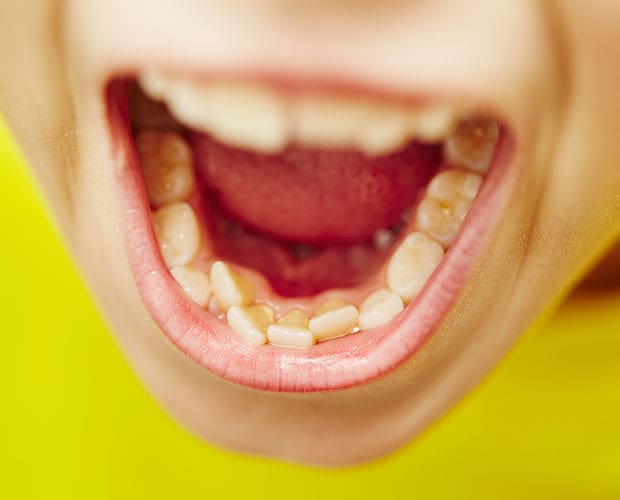
Misaligned teeth

Crooked Teeth

Doncaster Dental is your local expert in transforming crooked and misaligned teeth into beautiful, straight smiles. Located in the serene suburb of Doncaster we are committed to providing personalised orthodontic care that meets the unique needs of each patient.

Our Orthodontic Services

We offer a variety of treatment options to correct crooked and misaligned teeth, ensuring that you receive the most effective and comfortable care possible:

  • Traditional Braces: Time-tested and reliable, traditional braces are an excellent choice for correcting various alignment issues.
  • Lingual Braces: Custom-fitted to the back of your teeth, lingual braces offer a hidden treatment alternative.
  • Custom Retainers: After your teeth are aligned, retainers help maintain your new smile.

Why Trust Doncaster Dental for Your Orthodontic Needs?

Experience Dentists: Our team of experienced dentists can help correct misaligned teeth.

Tailored Treatment Plans: We understand that every smile is different. We design treatment plans that are customised to your individual requirements.

Advanced Orthodontic Technology: We utilise cutting-edge technology to ensure precise and efficient treatment outcomes.

Comfortable and Welcoming Environment: Our clinic is designed to make you feel at ease from the moment you step in.

Commitment to Patient Education: We believe in empowering our patients with knowledge about their treatment options and oral health.

Schedule Your Consultation

If you’re ready to straighten your smile, Doncaster Dental is here to guide you through every step of the process. Contact us today to book a consultation and learn more about our crooked and misaligned teeth solutions.

FAQs — Crooked & Misaligned Teeth Doncaster

Crooked and misaligned teeth develop as a result of both genetic and environmental factors. The most common cause is a jaw that does not have sufficient space to accommodate all the teeth as they erupt, causing them to crowd together and overlap. This is largely hereditary — jaw size, tooth size, and the tendency toward crowding or spacing run strongly in families. Environmental factors that contribute include prolonged thumb sucking or dummy use in early childhood, premature loss of baby teeth that allows neighbouring teeth to drift into the gap, mouth breathing, tongue thrusting habits, and injuries to the jaw during development. In adults, teeth can also shift gradually over time as a result of gum disease, tooth loss, or normal age-related changes to the jaw and facial structure.

No. While crooked or misaligned teeth can affect your confidence, they can also impact your oral health. Teeth that overlap or are crowded are substantially harder to clean effectively — a toothbrush cannot reach all surfaces, and floss is difficult to manoeuvre between tightly packed teeth. This creates areas where plaque accumulates undisturbed, increasing the risk of tooth decay and gum disease. Misaligned bites place uneven forces on certain teeth during chewing, which can accelerate wear, cause tooth fractures, and contribute to jaw pain and temporomandibular joint (TMJ) problems over time. Addressing misalignment at Doncaster Dental protects long-term oral health, not just appearance.

Malocclusion is the clinical term for misalignment of the teeth and jaws — literally meaning “bad bite.” It encompasses a range of conditions including crowding, where there is insufficient space for all teeth to sit in their correct positions; spacing, where gaps exist between teeth; an overbite, where the upper front teeth excessively overlap the lower; an underbite, where the lower teeth protrude beyond the upper; a crossbite, where some upper teeth sit inside the lower teeth; and an open bite, where the front teeth do not meet when the back teeth are closed. Each type of malocclusion has different causes and treatment approaches. A thorough examination at Doncaster Dental will identify the type and severity of misalignment and guide the most appropriate treatment plan.

For children, early assessment is valuable — the Australian Dental Association recommends an orthodontic evaluation by age seven, as some alignment issues are easier to address while the jaw is still growing. Early intervention in childhood can sometimes guide jaw development and create sufficient space for permanent teeth, reducing the extent of treatment needed later. However, orthodontic treatment and cosmetic alignment solutions are not limited to children — adults of all ages can successfully address misaligned teeth. The most appropriate timing and treatment type depends on the nature of the misalignment, the patient’s age, and their goals, all of which can be assessed during a consultation at Doncaster Dental.

Veneers can address the appearance of mildly crooked, gapped, or uneven teeth without orthodontic treatment, making them an appealing option for adults who want a faster cosmetic result. Porcelain veneers are custom-made shells bonded to the front surface of the teeth, and can be shaped and sized to create the appearance of a straighter, more uniform smile. However, veneers are a cosmetic solution — they change the visual appearance of alignment without moving the teeth themselves. For crowding, spacing, or bite issues, orthodontic treatment that physically repositions the teeth is the more appropriate and clinically sound approach. Your dentist at Doncaster Dental will advise which option is best suited to your degree of misalignment and long-term oral health goals.

Leaving misaligned teeth untreated can lead to a progressive worsening of both oral health and function over time. Crowded teeth are more difficult to clean, increasing the long-term risk of decay and gum disease. Uneven biting forces from a misaligned bite can cause accelerated wear on specific teeth, eventually leading to fractures, sensitivity, and the need for restorative treatment. TMJ problems — including jaw pain, headaches, and clicking — are more common in patients with bite misalignment. In adults, teeth also continue to shift gradually over time, meaning mild misalignment can become more pronounced if not addressed. A consultation at Doncaster Dental will clarify whether and when treatment is recommended for your situation.

Treatment for crooked and misaligned teeth is available and effective for adults of all ages. While orthodontic treatment in adults may take slightly longer than in children or adolescents because the jaw is no longer growing, the results are equally achievable. Adults also have the option of cosmetic approaches such as veneers for mild misalignment that can deliver faster results without orthodontic appliances. There is no upper age limit for addressing crooked teeth — the decision depends on the nature of the misalignment, overall oral health, and the patient’s goals. Many adults seek treatment for the first time in their 30s, 40s, and beyond and achieve excellent outcomes. Call Doncaster Dental on (03) 9848 1322 to discuss your options.

Yes, in some cases. The position of the teeth plays an important role in the formation of certain sounds — particularly dental sounds (such as “th”, “s”, and “f”) that require the tongue or lips to make contact with or move close to the teeth. Crowding, spacing, or bite misalignment can affect the way these sounds are produced, contributing to a lisp or difficulty with certain consonants. In children, misaligned teeth can also contribute to or worsen tongue-thrusting habits that affect speech development. Correcting alignment does not always resolve speech issues — which may have other contributing factors — but it can be an important part of overall treatment for patients where dental positioning is a contributing cause.

Coverage for treatment of crooked and misaligned teeth depends on the type of treatment and your level of private health insurance cover. Orthodontic treatment — including braces — is generally covered under orthodontic extras, which is a separate category from general and major dental and is only included in higher-tier extras policies. Orthodontic benefits often have waiting periods of up to 12 months, annual sub-limits, and lifetime caps that apply per person. Cosmetic treatments such as veneers used to improve the appearance of mild misalignment are generally not covered by health insurance. It is worth checking your policy entitlements with your insurer before beginning treatment. Doncaster Dental can provide an itemised treatment plan to assist with any applicable claims.

We treat everyone as our family, with caring dentistry

Take advantage of our new patient special today. Call us on (03) 9848 1322 or book online!

X