Call nowBook Online

Custom Night Guards for Teeth Grinding and Jaw Protection

Custom Protection for Teeth Grinding & Jaw Clenching

Teeth grinding and jaw clenching — known medically as bruxism is one of the most common and underdiagnosed dental problems. Many people grind their teeth at night without ever realising it, only discovering the damage at their next check-up and clean.

Left untreated, bruxism causes progressive and potentially irreversible damage, wearing down enamel, cracking and chipping teeth, overloading dental restorations such as crowns and veneers, and placing significant strain on the jaw joint and surrounding muscles.

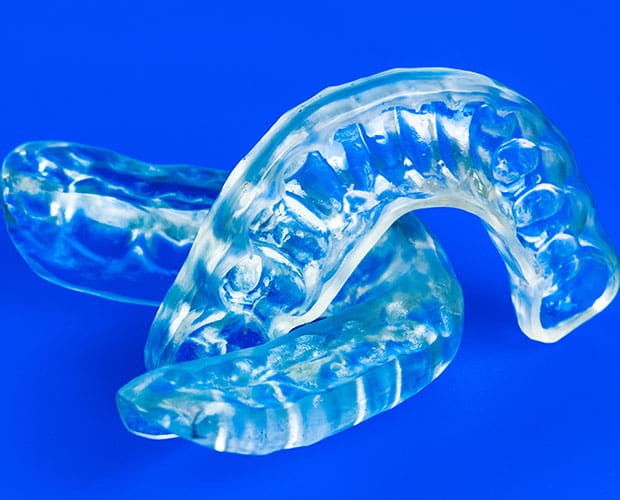
At Doncaster Dental, we provide custom-fitted nightguards, a comfortable and reliable way to help protect your teeth while you sleep. Made from impressions of your teeth, a custom nightguard from our practice is designed to provide a comfortable fit and durable protection tailored to your bite, offering advantages over standard over-the-counter options.

We serve patients from Doncaster, Templestowe, Doncaster East, Balwyn North, Bulleen, Box Hill North, Blackburn North, and surrounding suburbs.

Nightguards Doncaster Dental

What Is Bruxism?

Bruxism refers to the unconscious grinding, clenching, or gnashing of teeth, most commonly during sleep, though some people also clench during periods of concentration or stress during the day.

Up to 30% of people experience bruxism at some point in their lives, and many are entirely unaware it’s happening. Nighttime grinding is particularly damaging because it occurs without the normal feedback mechanisms that would otherwise limit bite force, meaning the forces generated during sleep can be greater than those of normal chewing.

Common signs you may be grinding your teeth include:

  • Waking with a sore jaw, facial pain, or headaches
  • Tooth sensitivity — especially first thing in the morning
  • Visibly flattened, chipped, or worn tooth surfaces
  • Cracked or broken teeth without a clear cause
  • Tight or tired jaw muscles when waking
  • Damage to existing dental restorations (fillings, crowns, veneers)
  • A partner noticing a grinding sound during sleep

If you’re experiencing any of these symptoms, it’s worth booking an assessment with one of our dentists. We can examine your teeth for the characteristic signs of bruxism and discuss whether a nightguard is appropriate for you.

What Are the Long-Term Effects of Untreated Bruxism?

Significant tooth wear 
enamel is the hardest substance in the human body, but it doesn’t regenerate. Once worn away through grinding, it cannot be restored without dental intervention.

Chipping and fractures
repeated grinding forces can cause teeth to crack or chip, particularly at the edges and cusps. In severe cases, this can extend to the tooth root and require extraction.

Jaw pain and TMJ dysfunction
chronic clenching places enormous stress on the temporomandibular joint (jaw joint) and surrounding muscles, leading to persistent jaw pain, clicking, locking, and difficulty chewing.

Headaches and facial pain
the muscles involved in grinding connect to the temples, neck, and shoulders. Persistent tension in these muscles is a common cause of morning headaches and facial discomfort.

Damage to dental work 
bruxism shortens the lifespan of fillings, crowns, veneers, implants, and other restorations — increasing the cost and frequency of future dental treatment.

Tooth sensitivity
as enamel wears away, the underlying dentine becomes exposed, causing increasing sensitivity to temperature and pressure.

How Does a Nightguard Help?

A nightguard is a custom-made oral appliance worn over the upper or lower teeth during sleep. It works by:

Creating a protective barrier between the upper and lower teeth, so grinding forces are absorbed by the appliance rather than the tooth surfaces.

Distributing bite forces evenly across the appliance, reducing the localised pressure that causes chipping, cracking, and wear.

Relieving jaw muscle tension by positioning the jaw in a slightly more relaxed, optimal position, reducing the strain on the TMJ and surrounding muscles.

Protecting dental restorations from the excessive forces that would otherwise shorten their lifespan.

A nightguard doesn’t stop the grinding reflex itself, but it provides an effective protective barrier that prevents the damage grinding would otherwise cause.

Custom Nightguards vs. Over-the-Counter Options

Fit: over-the-counter guards use a generic, one-size-fits-all or boil-and-bite design that rarely achieves a precise fit. A poorly fitting guard can be uncomfortable to wear, may shift during sleep, and can actually alter your bite over time. Custom guards are made from exact impressions of your teeth, fitting precisely and staying firmly in place throughout the night.

Protection: a custom nightguard is designed by your dentist to distribute bite forces evenly across your specific bite. Generic guards cannot achieve this, leaving some areas under-protected.

Comfort: the most common reason people stop using over-the-counter guards is discomfort. Custom guards are more comfortable, making consistent nightly use far more achievable.

Durability: custom guards are made from quality dental materials and typically last several years with proper care. Generic guards generally degrade quickly and require frequent replacement.

Thickness and hardness: your dentist will select the appropriate material and thickness for your specific level of bruxism. Severe grinders, for example, benefit from harder, thicker materials that generic guards don’t offer.

Your Nightguard Journey at Doncaster Dental

1. Assessment
Your dentist will examine your teeth for signs of wear, check your jaw joint, and assess the severity of your bruxism. Digital X-rays may be taken to assess the extent of any existing damage.

2. Impressions
Impressions of your upper and lower teeth are taken and sent to our dental laboratory, where your custom nightguard is fabricated from quality dental materials.

3. Fitting
Once your guard is ready, typically within 1–2 weeks, you return to the practice for a fitting appointment. Your dentist will check the fit, bite, and comfort, and make any fine adjustments needed.

4. Ongoing Review
Nightguards are checked at your regular check-up appointments for signs of wear. Depending on the severity of your grinding, a replacement guard may be needed every 2–5 years.

Why Choose Doncaster Dental for Your Nightguard?

Accurate diagnosis. We don’t just make you a guard, we assess the cause and severity of your bruxism, check for any existing damage, and recommend the right type of appliance for your situation.

Quality materials. Our nightguards are fabricated by professional dental laboratories using durable, dental-grade materials, not the soft, degradable materials found in generic products.

Experienced team. Our dentists, Dr Jamie Do, Dr Brendan Moore, and Kate Jolly, have extensive experience diagnosing and managing bruxism and its consequences.

Comprehensive care. If bruxism has already caused damage to your teeth, we can address this alongside your nightguard with restorative treatments including fillings, crowns, or cosmetic options — all under one roof.

Established since 1962. One of Doncaster’s trusted practices, caring for the local community for over 60 years.

Frequently Asked Questions

A nightguard is a custom-fitted mouthguard worn during sleep to protect your teeth from the effects of bruxism — the medical term for teeth grinding and jaw clenching. It acts as a protective barrier between your upper and lower teeth, absorbing and redistributing the forces generated during grinding to prevent wear, fractures, and damage to existing dental restorations.

Bruxism is the unconscious habit of grinding or clenching your teeth, most commonly during sleep. Common signs include waking up with jaw pain or headaches, facial muscle soreness, tooth sensitivity, flattened or chipped teeth, and a partner reporting the sound of grinding overnight. Because bruxism happens during sleep, many people are unaware they have it until their dentist identifies signs of wear during a routine check-up. If you suspect you grind your teeth, book a consultation at Doncaster Dental on (03) 9848 1322.

The process begins with a consultation where your dentist assesses your teeth for signs of bruxism and evaluates your bite. Impressions or digital scans of your teeth are taken and sent to a dental laboratory, where a nightguard is precision-crafted to fit your unique bite. Once ready, your dentist will fit and adjust the guard to ensure it is comfortable and protective before you take it home.

Over-the-counter nightguards from chemists or supermarkets are generic, one-size-fits-all devices that offer limited protection and are often uncomfortable to wear. Custom nightguards from Doncaster Dental are fabricated from impressions of your own teeth, providing a precise fit that is more comfortable, more effective at absorbing grinding forces, and significantly more durable. A poorly fitting nightguard can actually worsen jaw discomfort, which is why a custom-made appliance is strongly recommended.

A nightguard does not stop the grinding behaviour itself — it protects your teeth and jaw from the damage that grinding causes. Bruxism is often linked to stress, anxiety, or sleep disorders, so addressing these underlying factors alongside wearing a nightguard can help reduce its frequency and severity. Your dentist at Doncaster Dental can discuss a comprehensive management approach based on your individual situation.

With proper care, a custom nightguard typically lasts between 2 and 5 years. Longevity depends on the severity of your grinding — heavy grinders may wear through a guard more quickly. Regular dental check-ups at Doncaster Dental allow your dentist to monitor the condition of your nightguard and recommend a replacement when needed.

Rinse your nightguard with cool water before and after each use. Clean it daily with a soft toothbrush and mild soap or non-abrasive toothpaste — avoid hot water as it can warp the material. Store it in the ventilated case provided to allow it to dry and to protect it from damage. Bring it to your regular dental appointments so your dentist can check it for wear and fit.

Many private health insurance extras policies in Australia provide partial cover for custom-fitted mouthguards and nightguards under general or major dental. The level of cover varies between funds and plans. It is worth checking with your insurer before your appointment. Doncaster Dental can provide an itemised account to assist with any health fund claims.

We treat everyone as our family, with caring dentistry

Take advantage of our new patient special today. Call us on (03) 9848 1322 or book online!

X