
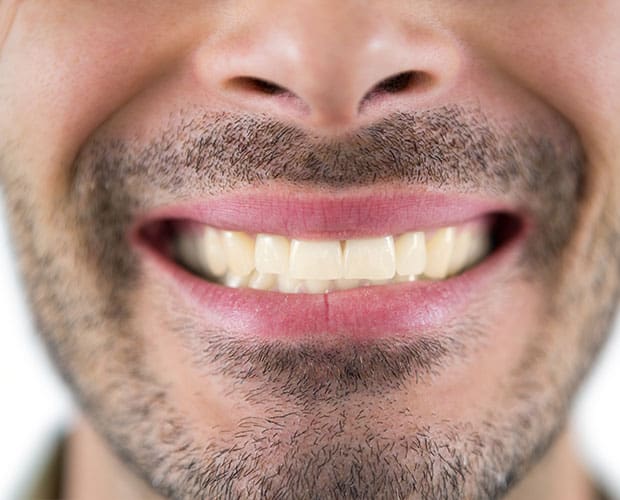
A bright, white smile is a great confidence booster. We transform stained and discoloured teeth into dazzling smiles. Our state-of-the-art treatments are designed to safely and effectively remove common dental stains, restoring the natural beauty of your teeth.
If you’re tired of hiding your smile due to stains or discolouration, it’s time to take action. Contact Doncaster Dental today to schedule your teeth whitening consultation. We’re excited to help you achieve the bright, white smile you’ve always wanted.
Tooth discolouration falls into two categories: extrinsic and intrinsic staining. Extrinsic stains affect the outer surface of the tooth and are caused by foods and drinks that contain strong pigments — including coffee, tea, red wine, and berries — as well as smoking and tobacco use. Intrinsic discolouration originates within the tooth itself and is caused by factors such as ageing (which thins the enamel and allows the naturally yellow dentine beneath to show through), certain medications taken during tooth development (such as tetracycline antibiotics), fluorosis from excessive fluoride exposure during childhood, trauma to a tooth that causes internal bleeding and darkening, and root canal treatment or decay. Understanding which type of discolouration is present is essential to selecting the most effective treatment at Doncaster Dental.
Extrinsic staining sits on or near the surface of the tooth enamel and is caused by external factors such as diet, smoking, and poor oral hygiene. Because it affects the outer layer, extrinsic staining typically responds well to professional cleaning and teeth whitening. Intrinsic staining originates from within the tooth — in the dentine or pulp — and cannot be removed by cleaning or conventional whitening alone. Intrinsic discolouration caused by ageing, medication, trauma, or fluorosis is best addressed with cosmetic treatments such as veneers or composite bonding that mask or cover the discolouration. Your dentist at Doncaster Dental will assess the type of discolouration present before recommending a treatment approach.
Professional teeth whitening is effective for extrinsic stains and general yellowing caused by dietary habits, ageing, and lifestyle factors. However, it has limited or no effect on certain types of discolouration — including tetracycline antibiotic staining, fluorosis, grey discolouration caused by tooth trauma or root canal treatment, and staining on crowns, veneers, or composite fillings, which do not respond to whitening agents at all. For these cases, veneers or other restorative options offer a more reliable solution. A consultation at Doncaster Dental will determine which treatment will deliver the best outcome for your specific type of discolouration.
Tooth yellowing with age occurs for two main reasons. First, the outer enamel layer gradually thins and wears down over decades of use, becoming more translucent and allowing more of the naturally yellow dentine layer underneath to show through. Second, the dentine itself darkens over time as minerals accumulate within it. Dietary and lifestyle habits — coffee, tea, red wine, and smoking — compound this natural process. Professional teeth whitening at Doncaster Dental can effectively address age-related yellowing, and in more significant cases, veneers can provide a longer-lasting aesthetic result.
The most appropriate treatment depends entirely on the cause and type of discolouration. For surface and dietary staining, a professional clean combined with in-chair Zoom whitening or a custom take-home whitening kit is typically the first-line approach. For more severe or intrinsic discolouration that does not respond to whitening — such as tetracycline staining, fluorosis, or a single darkened tooth — porcelain veneers provide a durable, natural-looking solution that covers the tooth surface completely. Composite veneers and dental bonding are more affordable alternatives suited to mild to moderate cases. Your dentist will assess your teeth and recommend the most appropriate and cost-effective treatment pathway during your consultation.
Yes. A single tooth that has darkened — most commonly due to trauma, internal bleeding, or a previous root canal treatment — is one of the more challenging types of discolouration to treat because it originates from within the tooth rather than on the surface. In some cases, an internal whitening technique known as walking bleach can be used to lighten a single root canal-treated tooth from the inside. Where internal whitening is insufficient, a veneer or crown can be used to restore the natural appearance of the tooth. Doncaster Dental will assess the cause of the darkening and recommend the most appropriate approach.
Whitening toothpastes can help manage surface staining with regular use, but their effectiveness is limited compared to professional treatment. Most whitening toothpastes work by using mild abrasives or low concentrations of chemical agents to remove or reduce surface deposits. They are not capable of changing the intrinsic colour of the tooth or addressing staining that has penetrated into the enamel. They can be a useful maintenance tool after professional whitening to prolong results, but should not be relied upon as a primary treatment for noticeable discolouration. A professional assessment at Doncaster Dental will identify the most effective solution for your specific situation.
Many of the most common causes of tooth staining can be reduced or prevented with consistent habits. Limiting consumption of staining foods and drinks such as coffee, tea, red wine, and dark berries, using a straw where practical to minimise contact with teeth, rinsing the mouth with water after consuming staining substances, quitting smoking, maintaining a thorough oral hygiene routine including daily flossing, and attending regular professional cleans at Doncaster Dental every six months are all effective strategies. However, some causes of discolouration — such as ageing, medication effects, and genetic variation in enamel thickness and colour — cannot be prevented, only managed.
Veneers are the better option when discolouration is intrinsic and does not respond to whitening — such as tetracycline staining, fluorosis, or a single darkened tooth — or when the discolouration is accompanied by other cosmetic concerns such as chips, gaps, worn edges, or an uneven shape that whitening alone cannot address. Whitening is the better starting point when discolouration is primarily extrinsic, surface-level, or caused by dietary and lifestyle factors, as it is less invasive and more cost-effective. For patients with multiple cosmetic concerns, veneers offer a comprehensive single-treatment solution. Your dentist at Doncaster Dental will assess your teeth and guide you toward the most appropriate and cost-effective approach for your goals.
Take advantage of our new patient special today. Call us on (03) 9848 1322 or book online!